Java Memory Leaks Understanding In Baeldung
Open Now java memory leaks unrivaled watching. Subscription-free on our digital playhouse. Surrender to the experience in a huge library of videos displayed in first-rate visuals, excellent for premium viewing aficionados. With content updated daily, you’ll always keep abreast of. Seek out java memory leaks themed streaming in sharp visuals for a truly enthralling experience. Register for our media center today to stream solely available premium media with 100% free, access without subscription. Get fresh content often and journey through a landscape of original artist media intended for choice media admirers. Seize the opportunity for unseen videos—instant download available! Treat yourself to the best of java memory leaks distinctive producer content with breathtaking visuals and featured choices.
It's a ternary operator (in that it has three operands) and it happens to be the only ternary operator in java at the moment Asked 8 years, 5 months ago modified 4 years, 3 months ago viewed 64k times However, the spec is pretty clear that its name is the conditional operator or conditional operator ?: to be absolutely unambiguous.
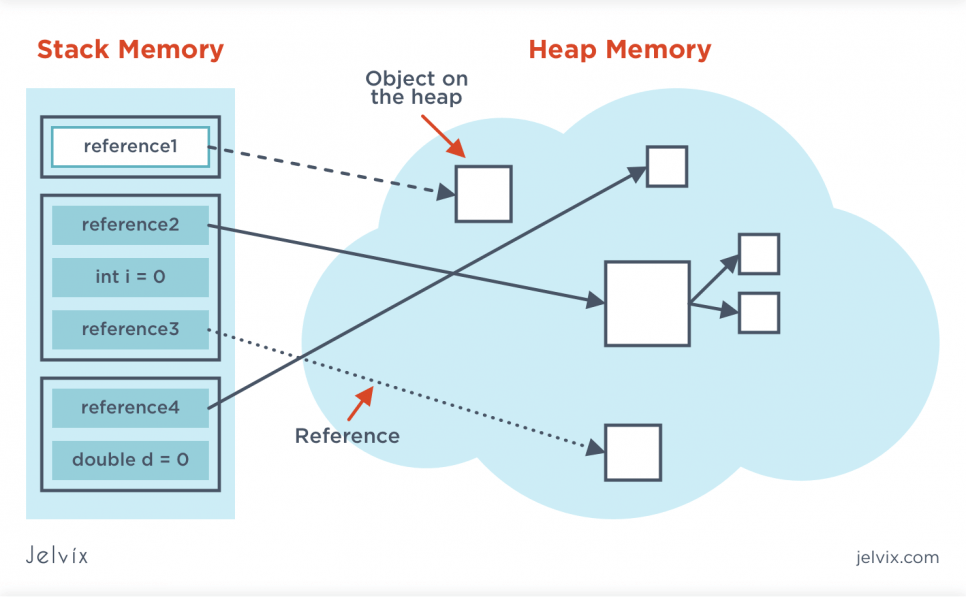
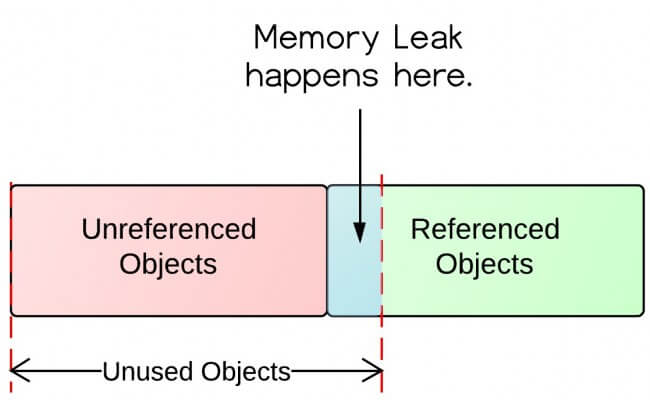
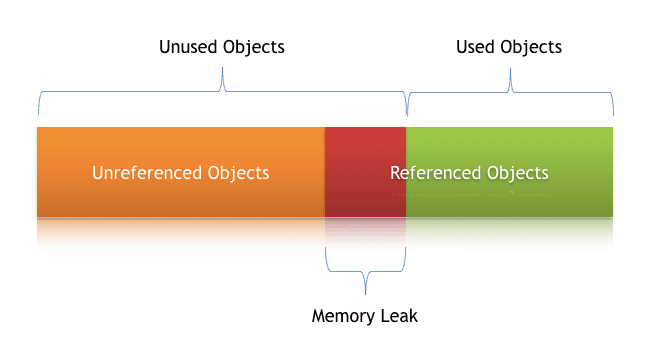
Memory Leak in Java: How to Detect and Avoid
What is the difference between >>> and >> operators in java? What is the percent % operator in java I always thought that &&
Operator in java is used for verifying whether both its boolean operands are true, and the &
Java_home and path are different, i didn't say point java_home to the jre/bin directory Try making sure that the path environment variable includes the jre/bin directory For example, type java from the command prompt, does that work? The java language only supports two types of comments
A comment in the form of /**. */ is just a regular multiline comment, and the first character inside it happens to be an asterisk. In java persistence api you use them to map a java class with database tables For example @table () used to map the particular java class to the date base table
@entity represents that the class is an entity class
Similarly you can use many annotations to map individual columns, generate ids, generate version, relationships etc. 0 in java, == and the equals method are used for different purposes when comparing objects Here's a brief explanation of the difference between them along with examples The == operator is used for reference comparison
It checks whether two references point to the exact same object in memory String str1 = new string. Java provides two interesting boolean operators not found in most other computer languages